The flag of Blackbeard, and pirate flags in general, were not just identifiers but strategic tools used to instill fear and communicate the pirates’ ruthless intentions. These flags were as much a psychological weapon as they were a symbol of the pirates' rebellious and violent way of life.
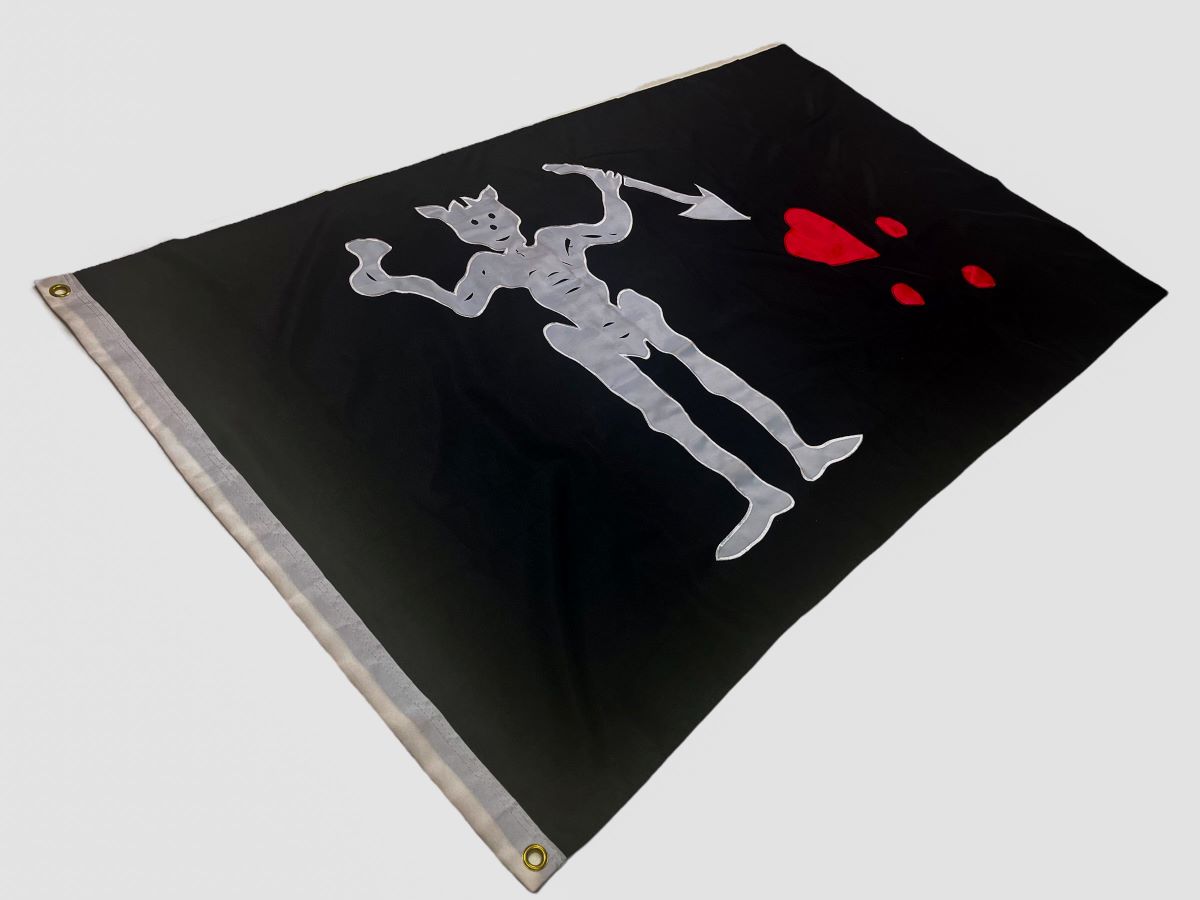
What did Blackbeard's Flag look like? Blackbeard's flag was distinct and menacing, featuring a horned skeleton toasting to the devil while holding a spear that pointed towards a bleeding heart. This imagery was a clear representation of Blackbeard's fearsome reputation and served as a warning to all who saw it.
Blackbeard: The Legendary Pirate and His Enigmatic Legacy.
The Mystery of Blackbeard's Flag. One of the most iconic symbols associated with Blackbeard is his flag. Contrary to the commonly recognized Jolly Roger, Blackbeard's true flag bore a chilling image: a horned skeleton toasting the devil, with a spear pointing towards a heart. This menacing emblem symbolized Blackbeard's alliance with death and his readiness for violence. It was a masterful piece of psychological warfare, designed to strike fear into the hearts of those who dared to cross his path.
What is Blackbeard's nickname? Blackbeard's most famous nickname is derived from his real name, Edward Teach (or Thatch). His thick, dark beard and imposing appearance earned him the moniker "Blackbeard."
Blackbeard's Flag and Symbolism: What was the true flag of Blackbeard? The true flag of Blackbeard, one of the most feared pirates in history, was a distinctive design that set him apart from his contemporaries. This flag depicted a horned skeleton toasting the devil while spearing a heart, with a three-pointed hat. This flag was unique to Blackbeard, also known as Edward Teach, and became synonymous with his fearsome reputation on the high seas.
Was Black Pearl a real ship? The Black Pearl, famously known from the "Pirates of the Caribbean" film series, is a fictional ship. While inspired by the real ships of the golden age of piracy, the Black Pearl itself, with its supernatural overtones, is a creation of modern cinema and does not have a basis in historical fact.
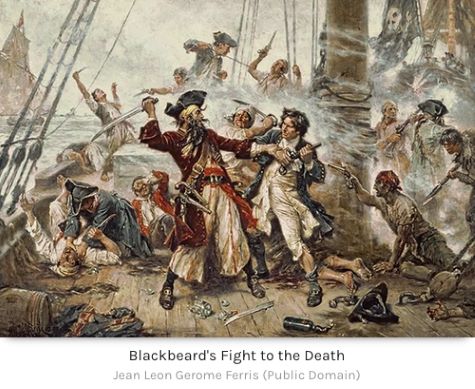
The Enigmatic Life of Blackbeard. For a figure so well-known, the personal details of Blackbeard’s life are surprisingly elusive. From his marriage to the tales of his hidden treasures, much of his life is still shrouded in myth. His dramatic death at the hands of Lieutenant Robert Maynard only added to his legend, leaving behind stories and speculation about the fate of his treasure and even his skull.
What does the Jolly Roger patch mean? The Jolly Roger patch, typically portraying a skull and crossbones, symbolized piracy, death, and danger.
Is Blackbeard in black flag? Blackbeard does feature in the popular video game "Assassin's Creed IV: Black Flag," which is set during the golden age of piracy. The game portrays a fictionalized version of Blackbeard, incorporating many of the legends and historical facts known about him.
Did they ever find Blackbeard's treasure? The legend of Blackbeard's treasure is a significant part of his mythos, but to this day, no verifiable discovery of his treasure has been made. Tales of buried treasure have fueled many searches, but the existence of such a treasure remains a part of the legend.
Where is Blackbeard's skull now? The whereabouts of Blackbeard's skull is shrouded in myth and legend. One popular legend claims that his skull was turned into a drinking cup and may have circulated among private collectors. However, there is no verifiable evidence to confirm the current location or existence of Blackbeard's skull.
Why does Blackbeard's flag have 3 skulls? Blackbeard's flag is often depicted with variations in popular culture, one of which includes three skulls. The three skulls can be interpreted as a symbol of total defiance - against man, king, and God. However, historical records suggest that the flag most commonly associated with Blackbeard featured a skeleton and not three skulls.
Can you see Blackbeard's skull? As there is no confirmed location or existence of Blackbeard's skull, it cannot be seen by the public. The story of his skull being used as a drinking cup remains part of the lore surrounding his death and posthumous legend.
In examining Blackbeard’s story, we see a man who became a legend, his life and deeds taking on a mythic quality. His flag, his ship, and the tales that surround him paint the picture of a pirate who was as much a master of branding as he was a marauder of the seas. Blackbeard remains not just a historical figure, but a symbol of the age of piracy, his name forever synonymous with the thrilling and perilous world of pirates.
The Lasting Impact of Blackbeard. Blackbeard's legacy transcends historical records to become a part of popular culture.
Blackbeard's Personal Life and Historical Context: Who did Blackbeard marry? Blackbeard was reportedly married to a woman named Mary Ormond in Bath, North Carolina. This marriage was one of several attributed to him, but Mary Ormond is the most documented. Their marriage is a part of Blackbeard’s brief attempt at a more settled life before returning to piracy.
What flag did pirates actually fly? Most pirates flew various flags, but the most commonly recognized is the Jolly Roger - a black flag with a white skull and crossbones. Each pirate had the liberty to customize their flag, but the Jolly Roger became widely recognized as the quintessential pirate flag.
Who is the most famous pirate?

What is Blackbeard's crew called? Blackbeard's crew did not have a specific name that has survived in historical records. However, they were known for their loyalty to Blackbeard and their role in his notorious acts of piracy. The crew was a mix of experienced sailors and former privateers who became pirates under Blackbeard's command.
Blackbeard: The Myth, the Pirate, and His Legacy. Blackbeard, or Edward Teach, is a name that stirs images of fearsome pirates and thrilling adventures on the high seas. His legacy, marked by his unique flag, the formidable Queen Anne’s Revenge, and an air of mystery around his life, continues to fascinate and intrigue.
What is the Blackbeard's law? The "Blackbeard’s Law" refers to a modern legal battle involving the rights to artifacts from the Queen Anne's Revenge shipwreck. This term has been used in contemporary legal discussions concerning the recovery and ownership of these artifacts, rather than being a law from Blackbeard's own time.
Did Blackbeard have children? There is speculation that Blackbeard might have had children, but there is no definitive historical evidence to confirm this.
The Life and Lore of Blackbeard. Blackbeard's life, from his marriage to Mary Ormond to his rumored hidden treasures, remains shrouded in mystery and legend. His death, as dramatic as his life, was a violent end at the hands of Lieutenant Robert Maynard, leaving behind stories of buried treasure and a lost skull rumored to be used as a drinking cup. These tales, while part of the legend, speak volumes about the man who was feared and revered in equal measure.
This exploration into Blackbeard's ship and crew sheds light on the tangible remnants of his maritime legacy, the mystique surrounding his flagship, and the enduring allure of his supposed hidden treasures. These elements continue to captivate the imagination of those fascinated by the era of piracy and its most iconic figure.
The Enduring Legacy of Blackbeard. Blackbeard's impact stretches far beyond historical accounts. His image and exploits have been immortalized in popular culture, making him a symbol of the romanticized pirate era. Museums, movies, and books continue to explore and expand upon his legend, ensuring that the name Blackbeard remains synonymous with piracy and adventure.
In examining Blackbeard's personal life and historical context, we uncover a blend of documented facts and enduring legends. From his marriage to his mythical skull, these facets contribute to the larger-than-life image of one of history’s most iconic pirates.
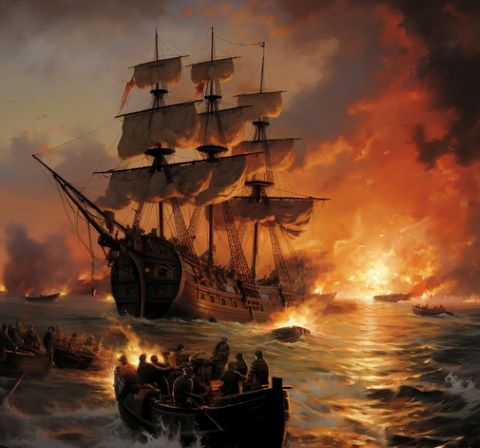
Queen Anne’s Revenge: More Than Just a Ship? The Queen Anne’s Revenge was not merely Blackbeard’s vessel; it was a symbol of his might and the platform from which he launched many of his raids. This ship, which met its end off the coast of North Carolina, now lies as a historic shipwreck, revealing pieces of Blackbeard’s era through recovered artifacts. It offers a glimpse into the world of piracy and the tools that made Blackbeard’s reign possible.
The legend of Blackbeard is a compelling tapestry woven from facts, myths, and mysteries. From his distinctive flag to his notorious ship, and his enigmatic personal life, Blackbeard continues to be the epitome of the pirate legend, captivating those who are fascinated by the tales of the high seas and the outlaws who once ruled them.

Blackbeard's crew did not have a specific name that has survived in historical records. However, they were known for their loyalty to Blackbeard and their role in his notorious acts of piracy. The crew was a mix of experienced sailors and former privateers who became pirates under Blackbeard's command.
There are historical accounts suggesting that Blackbeard did engage in the slave trade, a common practice among pirates of his era. His ship, the Queen Anne's Revenge, was originally a French slave ship before he captured and repurposed it for piracy.
To date, no verifiable evidence of Blackbeard's treasure has been found. Many believe it to be a myth, as the pirate was known more for spending his plunder than for hoarding it.
Legends suggest that Blackbeard's skull was mounted on a pole at the mouth of the Hampton River as a warning to other pirates, but its current whereabouts are unknown. Some tales claim it ended up as a drinking cup or in a private collection, but there's no verifiable evidence to support these stories.
Blackbeard's most famous nickname is derived from his real name, Edward Teach (or Thatch). His thick, dark beard and imposing appearance earned him the moniker "Blackbeard." This name has since become synonymous with the image of a classic pirate.
Blackbeard operated in and around the West Indies and the American colonies. His hideout is often associated with Ocracoke Island in North Carolina, which served as one of his bases during the height of his piracy.
Yes, technically just remnants. But The Queen Anne's Revenge, Blackbeard's famed flagship were discovered off the coast of North Carolina in 1996. The shipwreck site has yielded numerous artifacts that have provided valuable insights into Blackbeard's life and the golden age of piracy.
There is no credible historical evidence to suggest that Blackbeard's head has been preserved to the present day. Its last known display was on a pole at Hampton River as a warning, after which it disappeared from the historical record.