Queen Anne's Revenge: The Pirate's Stronghold. The Queen Anne's Revenge, Blackbeard's flagship, was a former French slave ship turned into a fearsome weapon of piracy. Equipped with numerous cannons, it was the center of Blackbeard's pirating activities in the Caribbean and along the American coastline.

How did Blackbeard's piracy career end? - Heart (depicted on the flag)

  1. Treasure
  2. Heart (depicted on the flag)
  3. Banners
Today, its remains lie off the coast of North Carolina, a testament to the pirate's reign on the high seas.

Blackbeard's Life and Lore: Who wears the Blackbeard patch? The Blackbeard patch is typically worn by enthusiasts of pirate history and culture. It's a popular item among fans of piracy lore, particularly those who admire Blackbeard's notorious legacy. The patch, often featuring symbols associated with Blackbeard, like his flag or a likeness of him, is a symbol of fascination with the golden age of piracy.

Unveiling the Legend of Blackbeard: Pirate, Marauder, and Enigma. Edward Teach, known to history as Blackbeard, remains an enigmatic figure whose life was as shrouded in mystery as the waters he once sailed. His fearsome reputation, symbolized by his unique flag and his formidable ship, Queen Anne's Revenge, places him at the heart of pirate lore.

In this exploration of Blackbeard's life and lore, we delve into the mysteries and legends surrounding one of history's most notorious pirates, revealing the man behind the myth and the symbol that made him an enduring figure in the annals of piracy.

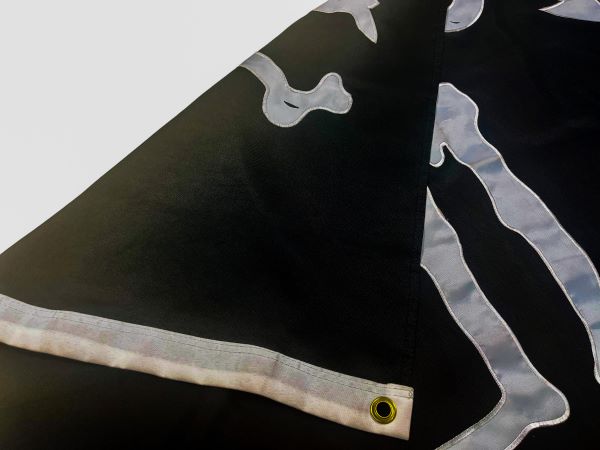
The Menace of Blackbeard’s Flag. Differing from the classic Jolly Roger, Blackbeard’s flag was a distinct emblem of his identity and reputation. The image of a skeleton spearing a heart while toasting the devil was not just for show; it was a psychological tactic to intimidate and control.

How did Blackbeard's piracy career end? - Blackbeard

  1. Banners
  2. Edward Teach
  3. Blackbeard
  4. Dreaded
  5. Blackbeard
This flag, flying high on the Queen Anne’s Revenge, became a symbol of the terror he represented.

Where is Blackbeard's treasure? The whereabouts of Blackbeard's treasure, if it ever existed, remains one of the great mysteries of pirate lore. Despite many legends and rumors about hidden treasures, no verifiable evidence has been found to confirm the existence of a significant treasure hoard left behind by Blackbeard.

Blackbeard’s Crew and the Pirate’s Law. The pirates under Blackbeard's command were a mix of seasoned sailors and rogues. They did not have a specific name, but their loyalty to Blackbeard was unquestioned. They lived and operated outside the bounds of traditional laws, creating a brotherhood governed by their codes. Blackbeard's leadership style and the camaraderie among his crew members were emblematic of the pirate way of life during that era.

Blackbeard flag meaning

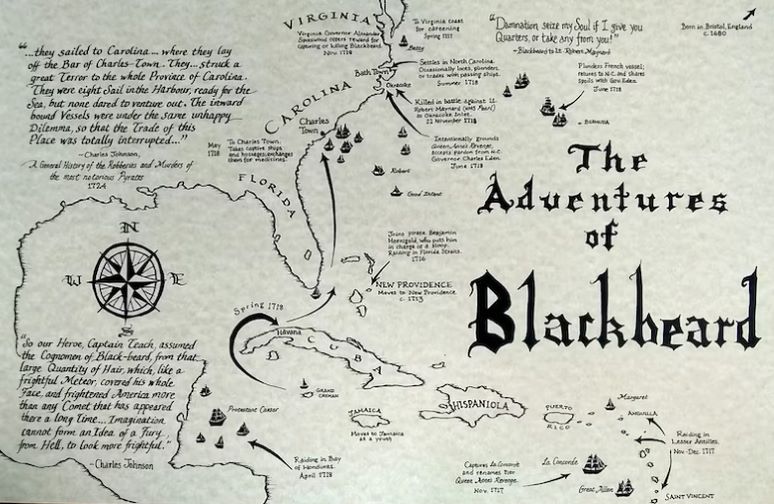
The Queen Anne's Revenge: A Symbol of Power. Blackbeard’s formidable flagship, the Queen Anne’s Revenge, was once a French slave ship before he claimed it. Laden with 40 guns, it was the heart of his pirating ventures along the coasts of the American colonies and the Caribbean. The ship met its end off the coast of North Carolina, where it was discovered centuries later, offering a glimpse into the life of the fearsome pirate and his crew.

Where did the Blackbeard flag come from? The origin of Blackbeard’s flag is shrouded in mystery, as is much of his life. It's believed that Blackbeard himself designed the flag to cultivate his fearsome image.

How did Blackbeard's piracy career end? - Blackbeard Flag

  1. Heart (depicted on the flag)
  2. Banners
  3. Edward Teach
  4. Blackbeard
  5. Dreaded
  6. Blackbeard
  7. Blackbeard’s Flag
Pirate flags, in general, were personal statements, and Blackbeard’s flag was a reflection of his unique brand of psychological warfare.

Did Blackbeard keep slaves? There are historical accounts suggesting that Blackbeard did engage in the slave trade, a common practice among pirates of his era. His ship, the Queen Anne's Revenge, was originally a French slave ship before he captured and repurposed it for piracy.

Blackbeard flag meaning
Captain Blackbeard flag

Captain Blackbeard flag

What does no quarter mean in pirate? The phrase "no quarter" in piracy meant that no mercy would be shown and no life would be spared.

How did Blackbeard's piracy career end? - Blackbeard

  • Emblem
  • Blackbeard
  • Treasure
  • Heart (depicted on the flag)
If a pirate flag displayed symbols or phrases indicating 'no quarter,' it was a clear warning that surrendering crews could not expect to be spared or treated with clemency.

What zodiac is Blackbeard? Blackbeard, believed to have been born around 1680, would likely fall under the zodiac sign of Capricorn or Sagittarius. However, without an exact birth date, this remains speculative. Zodiac signs were not as prominently recognized in his era as they are today.

The Crew and Code of Blackbeard. The pirates under Blackbeard's command were more than just sailors; they were part of a brotherhood bound by their own set of laws and codes. Their loyalty to Blackbeard was unquestionable, and together they formed a formidable force that challenged empires and disrupted the trade routes of the early 18th century.

Blackbeard's Enigmatic Personal Life. Despite his infamous legacy, details of Blackbeard's personal life remain shrouded in mystery. He reportedly married Mary Ormond, among possibly other women, in North Carolina, where he briefly attempted to settle down. However, the allure of the sea was too strong, and he returned to piracy. Rumors about Blackbeard's hidden treasure and the ultimate fate of his skull—allegedly turned into a drinking cup—continue to captivate the imagination, though they remain unverified.

Blackbeard Flag

Blackbeard's Ship and Crew: Does the Queen Anne's Revenge still exist?

How did Blackbeard's piracy career end? - Blackbeard

  1. Blackbeard Flag
  2. Blackbeard’s Flag
  3. Emblem
  4. Blackbeard
The Queen Anne's Revenge, Blackbeard's famed flagship, does not exist in its original form today. However, its remnants were discovered off the coast of North Carolina in 1996. The shipwreck site has yielded numerous artifacts that have provided valuable insights into Blackbeard's life and the golden age of piracy.

What does Blackbeard's flag symbolize? Blackbeard's flag was a powerful symbol of terror and defiance. The skeleton toasting the devil signified his alliance with death and the underworld, while the spear through the heart indicated his readiness for violence. This flag was designed to strike fear into the hearts of his enemies, often leading to ships surrendering without a fight.

Blackbeard’s Crew and Their Code. The pirates who sailed under Blackbeard were a testament to his leadership. Loyal and fierce, they operated under a set of codes that governed their conduct. Together, they formed a formidable force that not only challenged laws and authorities but also left a lasting impression on pirate lore.

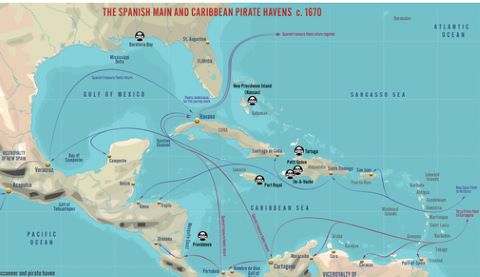
Where was Blackbeard's hideout? Blackbeard's most famous hideout was in the coastal waters of North Carolina, particularly around Ocracoke Island. He also frequented Nassau in the Bahamas, which was a well-known pirate haven during the golden age of piracy.

Blackbeard Flag
Blackbeard: The Pirate that held an entire town hostage...

The Legend Lives On... Blackbeard’s legacy extends beyond historical records into popular culture. He is featured in movies, books, and even video games like "Assassin's Creed IV: Black Flag," reflecting a blend of historical facts and mythic tales. Museums dedicated to piracy, including the North Carolina Maritime Museum, showcase artifacts from the Queen Anne's Revenge, allowing the public to delve deeper into the pirate’s mysterious life.

In exploring the legend of Blackbeard, we uncover a figure who is as much a product of his own making as he is of the myths that have been built around him. From his distinctive flag to his formidable ship, and his mysterious personal life, Blackbeard stands as a symbol of the golden age of piracy, his story intertwined with the lore of the seas he once roamed.

How tall was Blackbeard? While specific details about Blackbeard's physical appearance are based on historical accounts and may be embellished, it is generally believed that he was a tall man for his time.

How did Blackbeard's piracy career end? - Emblem

  • Blackbeard’s Flag
  • Emblem
  • Blackbeard
Contemporary descriptions emphasize his imposing figure, which, coupled with his fearsome persona, made him a formidable presence.

Where can you see Blackbeard's ship? While the original Queen Anne's Revenge cannot be seen as it once was, artifacts and remnants of the ship are on display at several museums. The North Carolina Maritime Museum in Beaufort, North Carolina, houses a significant collection of these artifacts, offering a glimpse into the ship's history and Blackbeard's time.

Who was a pirate in real life?

Blackbeard's Flag: A Symbol of Terror. Contrasting with the stereotypical Jolly Roger, Blackbeard's flag was unique and terrifying. It depicted a horned skeleton toasting the devil while spearing a heart, a clear message of the pirate's ruthlessness and his alliance with dark forces. This flag was not just a symbol but a strategic tool, designed to instill fear and ensure surrender without conflict.

Who was the first pirate?

How did Blackbeard's piracy career end? - Treasure

  1. Blackbeard
  2. Treasure
  3. Heart (depicted on the flag)
  4. Banners
  5. Edward Teach
  6. Blackbeard
  7. Dreaded
Piracy has been a part of seafaring since ancient times, making it difficult to pinpoint the "first pirate." However, one of the earliest recorded pirates was Hippocrates of Thessaly, who operated in the 14th century BC. Piracy's history spans thousands of years, evolving through various eras of maritime history.

Who was a pirate in real life?

Frequently Asked Questions

The legend of Blackbeard's treasure is a significant part of his mythos, but to this day, no verifiable discovery of his treasure has been made. Tales of buried treasure have fueled many searches, but the existence of such a treasure remains a part of the legend.

He earned the nickname "Blackbeard" due to his long, thick black beard. He often tied slow-burning fuses into his beard and lit them during combat, creating a fearsome, smoky visage.

The U.S. Special Forces has worn the Blackbeard flag patch. Recently, some of the teams have adopted it and wear proudly. In addition, the Blackbeard patch is typically worn by enthusiasts of pirate history and culture. It's a popular item among fans of piracy lore, particularly those who admire Blackbeard's notorious legacy. The patch, often featuring symbols associated with Blackbeard, like his flag or a likeness of him, is a symbol of fascination with the golden age of piracy.

SEAL Team 3 has been known to use a version of Blackbeard's flag, especially the 'Jolly Roger' with the white skull and crossed bones, as a symbol of their unit's strength, readiness, and lethalness.

Blackbeard died in a fierce naval battle with Lieutenant Robert Maynard's crew on November 22, 1718, near Ocracoke Island, North Carolina. He was reportedly struck by gunfire and sword strikes multiple times before succumbing to his wounds.

Most pirates flew various flags, but the most commonly recognized is the Jolly Roger - a black flag with a white skull and crossbones. Each pirate had the liberty to customize their flag, but the Jolly Roger became widely recognized as the quintessential pirate flag.